
Rethinking Dental Crowns: Embracing Biomimetic Dentistry for Long-Lasting Oral Health
Introduction
For decades, dental crowns have been a staple in restorative dentistry, often used to repair and protect damaged teeth. However, as dental technology and understanding of oral health have evolved, it’s become clear that traditional dental crowns, which often require removing a significant amount of natural tooth enamel, may not always be the best option. This blog post explores why dental crowns can be considered outdated in many cases and highlights the benefits of seeking a biomimetic dentist for more conservative and long-term solutions to maintain their natural teeth.
The Downside of Traditional Dental Crowns
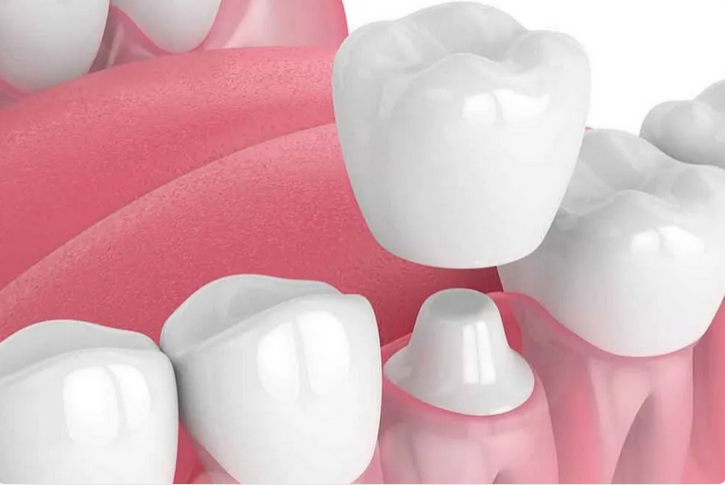
Dental crowns have been a go-to solution for restoring teeth that are damaged, decayed, or cosmetically displeasing. However, the process typically involves grinding down a significant portion of the natural tooth to fit the crown. This approach can remove much of the tooth’s natural structure and, in some cases, lead to issues such as tooth sensitivity, root canal, or the need for further dental work in the future, such as an implant.
Why Patients Should Be Wary

The removal of natural enamel, which is irreplaceable, can compromise the long-term health of the tooth. Enamel is the hardest substance in the human body and plays a crucial role in protecting teeth from decay and sensitivity. Once it’s gone, the tooth is more vulnerable to future problems. Patients should be cautious about opting for procedures that require extensive enamel removal, except in cases where it’s absolutely necessary.
The Rise of Biomimetic Dentistry
Biomimetic dentistry represents a shift towards more conservative and natural approaches to dental care. The term “biomimetic” means to mimic life; in dentistry, this translates to techniques that replicate natural tooth structure and function. Biomimetic dentists focus on preserving as much of the natural tooth as possible, using advanced materials and techniques to restore teeth in a way that mimics their original form and strength.
Benefits of Biomimetic Dentistry

- Minimally Invasive: Biomimetic restorations often require less removal of the natural tooth, preserving more of the original structure and strength.
- Long-Term Oral Health: By keeping more of the natural tooth intact, biomimetic dentistry supports the long-term health and functionality of the teeth.
- Natural Aesthetics: These restorations typically look and feel more like natural teeth, providing a more aesthetic and comfortable result.
- Reduced Sensitivity and Discomfort: With less invasive procedures, patients often experience less sensitivity and discomfort post-treatment.
Finding a Biomimetic Dentist
To benefit from biomimetic dentistry, it’s crucial to find a dentist trained in these techniques. Patients should look for dental professionals who emphasize conservative treatment approaches and have specific training in biomimetic methods. Don’t be afraid to ask the dentist to show some of their work.
Conclusion
While traditional dental crowns have served many patients well over the years, it’s time to consider more advanced, less invasive options for tooth restoration. Biomimetic dentistry offers a promising alternative, focusing on preserving natural tooth structure and mimicking natural tooth function. By choosing a biomimetic approach, patients can enjoy healthier, more natural, and longer-lasting dental health.
