
Long Live Your Smile: Exploring the Lifespan of Dental Restorations
Taking care of your teeth is crucial to maintaining good oral health. However, even with proper dental care, you may still experience problems with your teeth, such as cavities, cracks, and chips. This is where dental restorations come in. Dental restorations aim to repair or replace damaged or missing teeth.
One question that often arises regarding dental restorations is their longevity. How long will they last, and will they need to be replaced at some point? This article will explore the longevity of various traditional dental restorations and factors that can affect their lifespan.
- Composite Fillings a.k.a white fillings
Composite fillings are a popular choice for repairing cavities. They are made of a tooth-colored resin bonded to the tooth. The longevity of composite fillings varies depending on their size and location in the mouth. Small to medium-sized fillings typically last between 5-7 years, while larger fillings may need to be replaced sooner. Factors that can affect the lifespan of composite fillings include oral hygiene, diet, and the location of the filling in the mouth.
- Amalgam Fillings a.k.a metal fillings
Amalgam fillings, also known as silver fillings, are made of a mixture of metals and have been used for over a century. They are known for their durability and long lifespan. Amalgam fillings can often (out) last their welcome up to 10-15 years or more. However, they are not as aesthetically pleasing as composite fillings and can expand and contract over time, potentially causing damage and even cracks to the tooth.
- Traditional Crowns
Crowns are tooth-shaped caps placed over damaged or weakened teeth to protect them from further damage. Crowns can be made of various materials, including metal, porcelain, or a combination. The lifespan of a crown depends on the material used, the location of the tooth in the mouth, and the patient’s oral hygiene habits. On average, crowns can last between 5-15 years, but they can last even longer with proper care.
- Dental Bridges
Bridges are used to replace one or more missing teeth by anchoring an artificial tooth to neighboring teeth. Like crowns, the lifespan of bridges depends on various factors, including the materials used and the patient’s oral hygiene habits. Bridges can last between 5-15 years or longer with proper care.
- Dentures
Dentures are removable appliances that replace multiple missing teeth. They can be made of various materials, including acrylic and porcelain. The lifespan of dentures varies depending on the materials used, the patient’s oral hygiene habits, and how well they are maintained. Dentures last between 5-8 years on average, but they may need to be relined or replaced sooner if they become loose or damaged.
6. Dental Implants
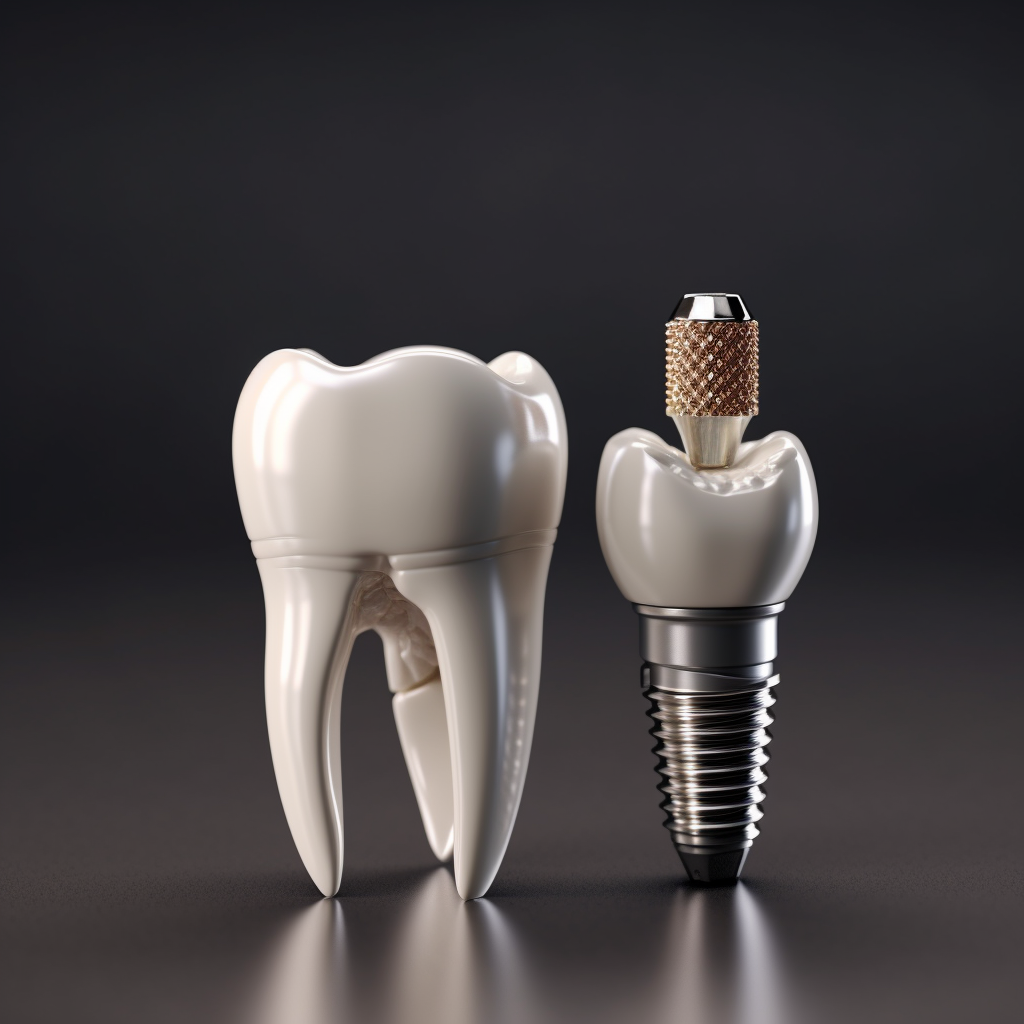
Dental implants are a popular and effective way to replace missing teeth. They are artificial tooth roots of titanium surgically placed into the jawbone. The implant provides a sturdy foundation for a replacement tooth, bridge, or a whole set of teeth secured onto the implants. According to various studies, the 20-year success rate of dental implants is approximately 95%.
The longevity of dental restorations depends on various factors, including the materials used, the tooth’s location in the mouth, the patient’s oral hygiene habits, how well they are maintained, and how well they were completed. It is essential to discuss the expected lifespan of dental restorations with your dentist and to follow a proper oral hygiene routine to help prolong their lifespan. By doing so, you can enjoy a healthy and beautiful smile for years.
