
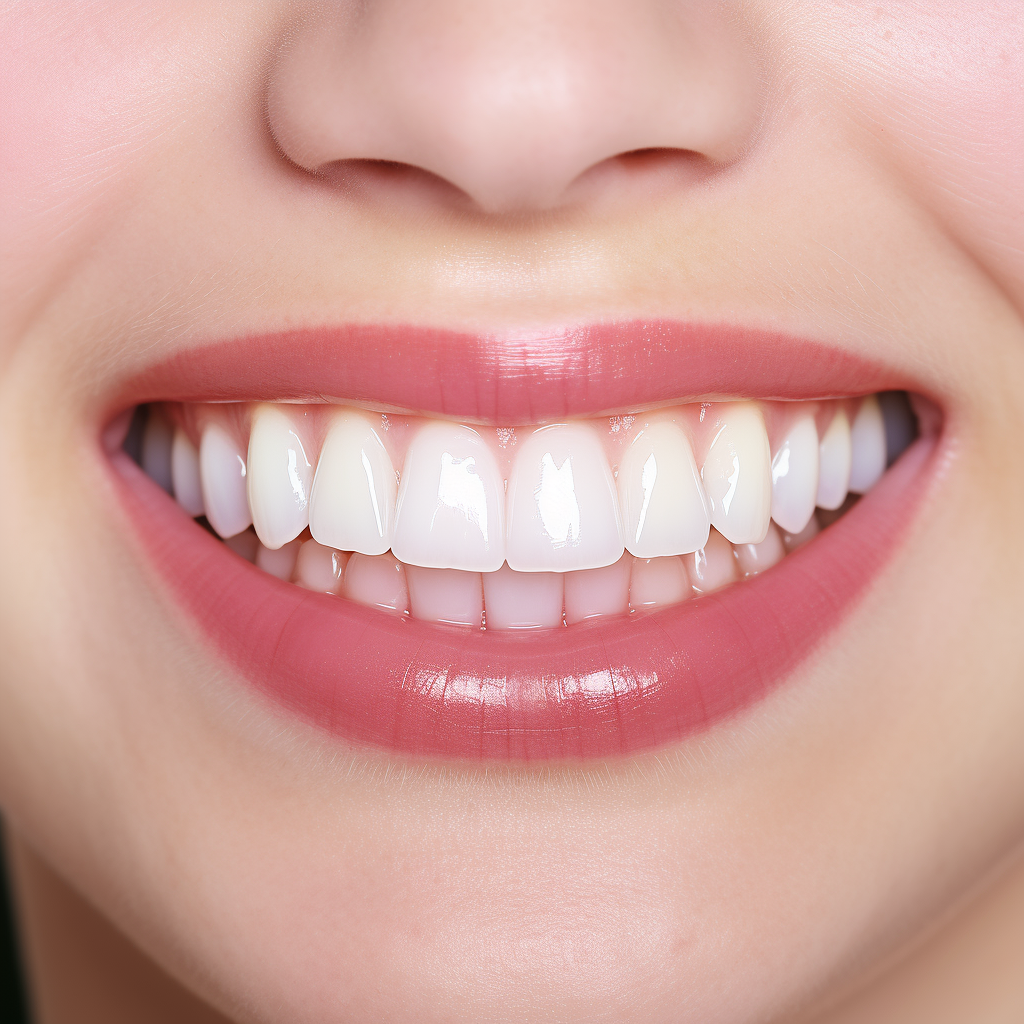
Science Meets Style: The Inner Workings of Tooth Whitening for a Brighter Smile
As a dentist, I often get asked about the science behind tooth whitening. Many people are curious about how this cosmetic dental procedure works and whether it is safe and effective. In this blog post, I’ll dive into the science of tooth whitening and explain how it can help you achieve a brighter, more confident smile.
Tooth whitening, also known as teeth bleaching, is a cosmetic dental procedure involving hydrogen peroxide or carbamide peroxide to remove surface stains and discoloration from the teeth. These compounds penetrate the tooth enamel and break down the molecules that cause discoloration, such as coffee, tea, wine, and tobacco.
Two main types of tooth whitening procedures exist: in-office and at-home whitening. In-office whitening is performed by a dental professional and involves the use of high-concentration bleaching agents and specialized equipment, such as light or laser. This type of whitening typically takes about an hour and can produce dramatic results in a single session.
At-home whitening, on the other hand, involves the use of lower-concentration bleaching agents that are applied to the teeth using custom-fitted trays or strips. This type of whitening can take several weeks to achieve optimal results but can be more convenient, comfortable, and affordable than in-office whitening.
Despite the popularity of tooth whitening, some people are concerned about the procedure’s safety. While tooth whitening is generally considered safe when performed by a dental professional or according to the manufacturer’s instructions, there are some risks to be aware of.
One potential side effect of tooth whitening is tooth sensitivity, which can occur when the bleaching agents penetrate the tooth enamel and irritate the nerve endings inside the tooth. This can cause temporary discomfort or pain, particularly when consuming hot or cold foods and beverages. However, this side effect is usually mild and can be managed with over-the-counter pain relievers or desensitizing toothpaste and only lasts a day or two.
Another potential risk of tooth whitening is gum irritation, which can occur when the bleaching agents come into contact with the mouth’s soft tissues. This can cause redness, swelling, and discomfort but can usually be prevented using custom-fitted trays or strips designed to fit snugly around the teeth.
In conclusion, tooth whitening is a safe and effective cosmetic dental procedure that can help you achieve a brighter, more confident smile. Whether you opt for in-office or at-home whitening, it’s important to follow the manufacturer’s instructions and consult a dental professional if you have any concerns. You can enjoy the benefits of a brighter smile for many years with proper care and maintenance.
