
Dental Implants 101: What Are They and How Do They Work?
Many of us have heard of dental implants, but few understand what they really are, and how they operate. This guide provides a straightforward explanation of dental implants and their function.
What Are Dental Implants?
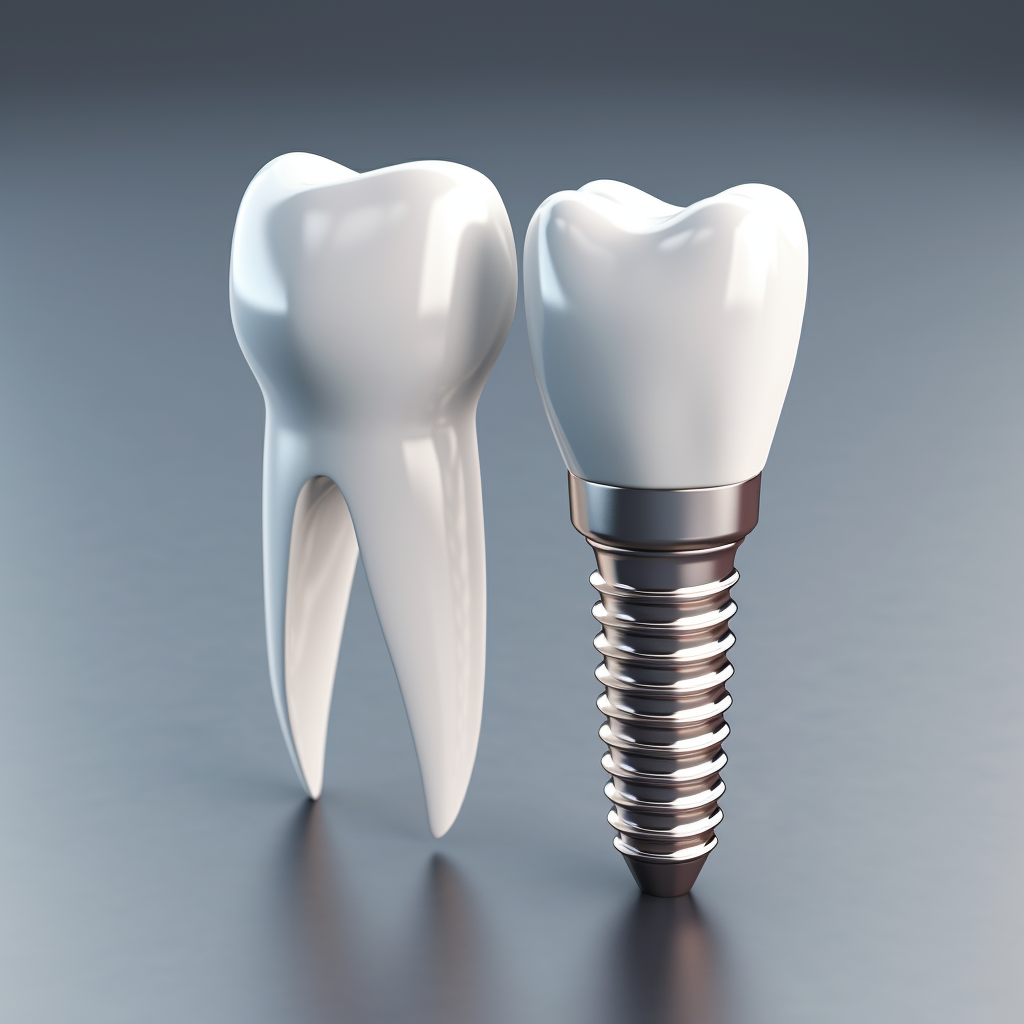
Dental implants are one of the most effective solutions for replacing missing teeth. An implant comprises three main parts: the implant post, the abutment, and the crown.
Implant Post: This is a small, screw-like titanium post that is surgically placed into the jawbone, acting as the root of the missing tooth. Titanium is often used because it is biocompatible and integrates well with bone tissue.


Abutment: Once the implant post is securely integrated within the bone (a process called osseointegration), an abutment is attached. This acts as the connector between the implant post and the replacement tooth.
Crown: This is the artificial tooth that’s attached to the abutment, filling the gap left by the missing tooth. The crown is custom-made to match the color and shape of your front or back natural teeth, providing a seamless look.

How Do Dental Implants Work?

Dental implants function much like natural teeth. Once the implant post has integrated with your jawbone, it provides a strong foundation for the replacement tooth (crown). This ensures the implant can handle biting and chewing forces just like a natural tooth. Not only do dental implants restore your smile and chewing function, but they also preserve your jawbone structure by providing the stimulation that the bone needs to maintain its density. This is something that alternative tooth replacement options, such as dentures or bridges, can’t provide.

Pingback: Understanding the Dental Implant Procedure: A Step-By-Step Guide - The Mouth Manual