
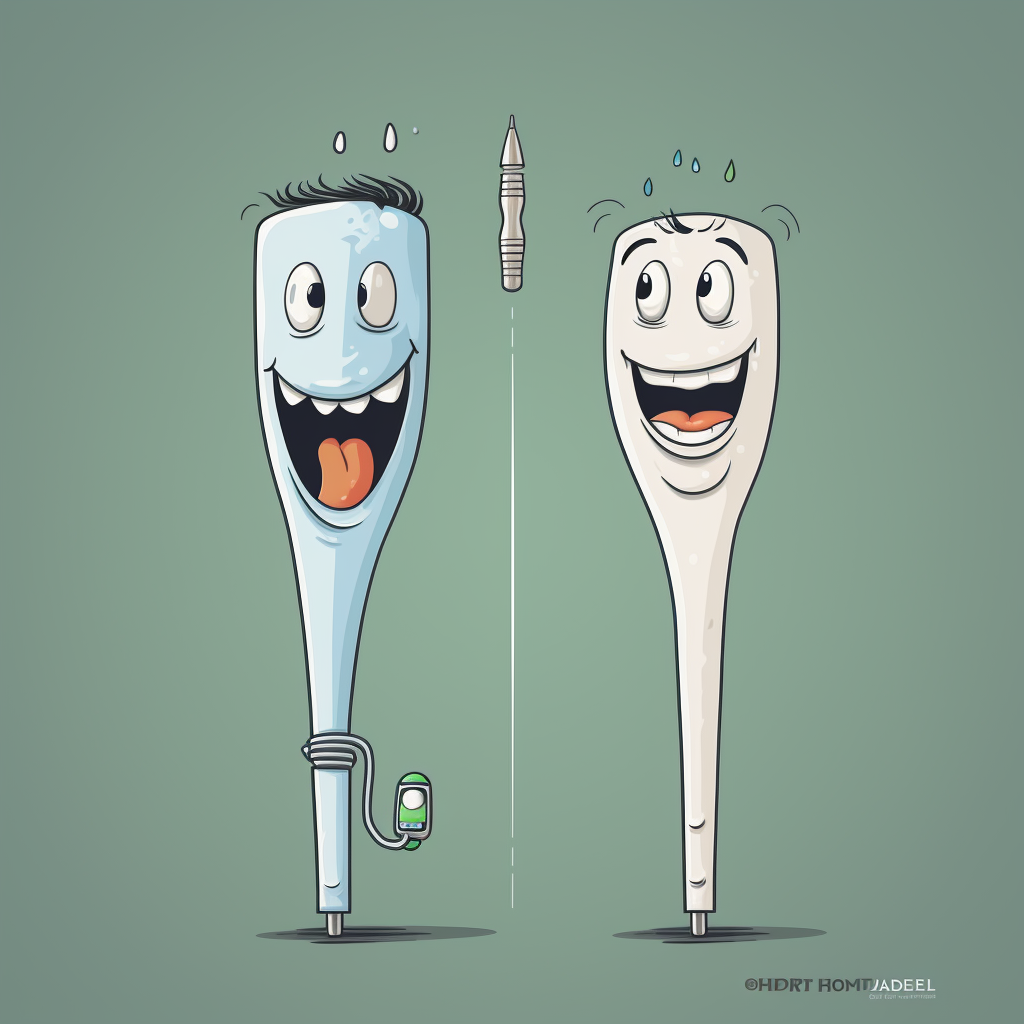
How to Choose the Right Toothbrush: Electric vs Manual
Brushing your teeth is more than a chore – it’s a ritual. One that’s been ingrained in us since our earliest memories. It’s about maintaining good oral hygiene, and about the confidence that comes with fresh breath and a sparkling smile. But with so many options on the market, finding the right toothbrush can feel as challenging as mastering a new language. So let’s break it down. Manual or electric – which one is right for you?
Manual Toothbrushes: The Classic Approach
In the red corner, we have the humble manual toothbrush – the original teeth cleaner, time-tested and approved by countless generations. Manual toothbrushes are straightforward to use, easy to control, and available in various shapes, sizes, and bristle types. They are also affordable, portable, and you don’t need to worry about batteries or charging. Here’s the clincher – if used correctly, a manual toothbrush can be just as effective as an electric one in removing plaque and preventing gum disease.
The Pros:
- Cost-effective
- No need for electricity or batteries
- Extensive variety and options for customization
- Easy to pack for travel
The Cons:
- More work required to clean teeth effectively
- Can be tough on gums if you have a heavy hand
- No built-in timer to ensure you brush for the full recommended two minutes
Electric Toothbrushes: The High-Tech Contender
In the blue corner, we have the electric toothbrush – the modern, automated approach to dental care. Electric toothbrushes boast features like timers, pressure sensors, and a range of brush modes designed for sensitive teeth, whitening benefits, or gum-massaging action. Some high-end models even come with Bluetooth technology to provide feedback on your brushing habits. What’s more, studies suggest that electric toothbrushes are more effective at reducing plaque and gingivitis than manual ones. They are particularly beneficial for people with limited mobility, like those with arthritis, or those who wear braces.
The Pros:
- Often more effective at removing plaque
- Can be easier for people with limited mobility
- Features like timers and pressure sensors to aid in effective brushing
- Potentially more fun for kids
The Cons:
- More expensive initial cost, plus the cost of replacement brush heads
- Requires charging or batteries
- Not as travel-friendly due to size and charging requirements
The Verdict: Personal Preference Rules
Like a morning coffee ritual or a favorite workout routine, the right toothbrush for you boils down to personal preference. If you’re a globetrotter who values simplicity and ease, a manual toothbrush might be your go-to. If you’re a tech enthusiast or someone who needs a little extra brushing boost, an electric toothbrush may be a game-changer. However, remember that no toothbrush – no matter how technologically advanced – can replace good brushing techniques and regular dental check-ups. Keep up with those bi-annual dentist appointments, and remember to replace your toothbrush (or brush head) every three to four months. Choosing the right toothbrush is a step towards a healthier smile, but remember that it’s part of a broader oral hygiene regimen. Optimizing small, daily actions can lead to significant long-term results. So keep brushing, keep flossing, and keep smiling.
What’s your take on the toothbrush debate? Are you team manual or team electric? Leave your comments below and let’s start a conversation!
Whether you’re team manual or team electric, it’s essential to have a reliable, high-quality toothbrush that suits your needs. For the manual toothbrush enthusiasts, I recommend this toothbrush. It’s effective, easy to handle, and provides an excellent clean every time. If you lean towards the electric side of the debate, this electric toothbrush has become my go-to. It’s packed with innovative features that ensure a thorough clean, and the convenience it offers is unparalleled. Check them out and take a step towards a healthier smile today!
(And remember, don’t fear the dentist – they’re here to help. If you’re unsure which toothbrush is right for you, your dentist will be more than happy to offer guidance based on your oral health needs.)
