
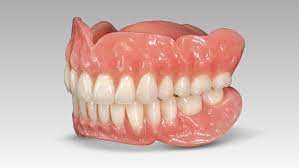
Dental Implants Vs. Dentures: Weighing the Benefits
When it comes to replacing missing teeth, dental implants and dentures have been the go-to solutions for decades. Both have their advantages, but the benefits of dental implants often outweigh those of dentures for many people. Let’s delve into the reasons why dental implants might be the superior choice.
A Natural Feel and Appearance
Dental implants closely mimic natural teeth in function and appearance. They are anchored into the jawbone, just like a natural tooth root, providing a stable foundation that feels and looks natural. This contrasts with dentures, which can sometimes slip or cause difficulty with speech and eating.
Improved Bone Health
When you lose a tooth, the jawbone in that area begins to deteriorate over time due to lack of stimulation. Dental implants provide this necessary stimulation, helping to maintain bone health. Dentures, on the other hand, don’t provide the same level of bone stimulation, which can lead to bone loss over time.
Long-Lasting and Durable
Dental implants are designed to last a lifetime with proper care. They are made from strong, durable materials that resist decay. Dentures, however, often require adjustments, repairs, or replacement every few years.
Better Nutritional Intake
Because dental implants function like natural teeth, they allow for a more varied and healthier diet, including harder-to-chew foods like apples or steak. On the contrary, dentures may limit the types of food you can eat comfortably, impacting your nutritional intake.
Convenience and Comfort
Dental implants eliminate the inconvenience of removing and cleaning dentures daily. They also do away with the need for denture adhesives. Implants can be brushed and flossed just like natural teeth, making the oral care routine simpler.
Conclusion
While dentures can still be a suitable choice for some individuals, the benefits of dental implants often make them a more appealing solution. They provide superior comfort, convenience, and overall improved oral health. It’s always recommended to discuss these options with your dental professional to determine what’s best for you.
